









Although artificial intelligence has the potential to be beneficial, when placed in the hands of stressed, overstimulated teenagers trying to meet a deadline, the line between assistance and dependence is blurred. The perspective of education is shifting: the mental strength that it takes to problem solve is apparently optional now, and the convenience that AI provides is no longer supplementary to thought, but has nearly taken its form.
Although many claim that AI is essential toward brainstorming and outlining ideas, these skills cannot be learned by human beings if they are generated artificially. The foundational steps are skipped because they are difficult – but that should be a reason in itself to learn how to do them.
In the minds of students, product is usually placed above process on the pedestal of importance, which is most likely why they so often turn to artificial intelligence. They do not experience the late nights of toiling, chewed pen in mouth, hair left in knots. They also do not know the joy of escaping the prison of writer’s block, the internal cries of happiness when just the right phrase pops into mind. However, they do know how to press Control + Copy + Paste. They know how to search “ChatGPT” into Google and get results in seconds. The satisfactory pain that comes along with writing is lost on students, not because they don’t enjoy the experience that comes with it, rather, they had the opportunity to.
The introduction of artificial intelligence was so sudden and transformative that we never learned how to regulate it, how to draw the divide between necessity and temptation. We instead jumped in headfirst, blissfully unaware of what awaited below.
Some argue that the sudden wave of AI marks a healthy change, that it will challenge educators and students to adapt the way they teach and learn in order to cater to it. But perhaps the question should shift from “can we” to “should we,” because, despite our impulses and aspirations, not everything needs to be revolutionized. If we continue to swallow processed knowledge instead of absorbing it, our ability to think for ourselves and obtain information will be dangerously compromised. The information that is gained from the use of artificial intelligence is just that; it is artificial.
As Mr. Abrams, a key part of Hastings’ English department puts it, “I’m struggling as a teacher who likes students to develop longer, drafted pieces of writing at home with how to trust the final product I receive. I don’t want to create situations where some students are getting high grades for work they didn’t struggle to complete on their own.” This is the key issue with artificial intelligence: it drains from the wells of trust and intrigue. Students who don’t use AI are disheartened when they see those around them get higher grades for work they didn’t really do themselves. Teachers are left discouraged as they watch their students, who have been sufficiently warned and lectured, turn back to temporary knowledge, and the vicious cycle repeats until a desert is all that remains in the very spot where the river of knowledge once flowed.
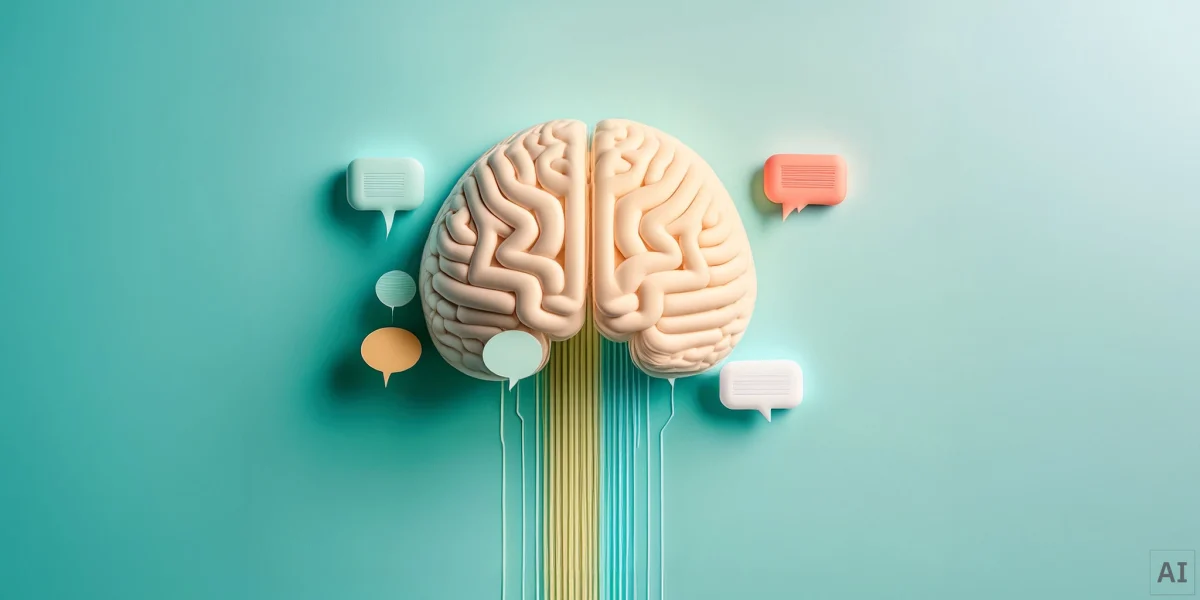
We must relearn the joys of writing and break free from the shackles of convenience. We must recognise that limitless streams of redundant information will not enhance our writing, but will only keep us from realizing the capacity of our minds. As Mr. Abrams says, “AI probably works on our brains a lot like GPS. While GPS use decreases the gray matter in the part of the brain associated with navigation, I suspect frequent AI use will do something similar to parts of the brain associated with critical thinking. The good news is that the brain is flexible. A few weeks without GPS or AI and the brain begins adding back gray matter.” This demonstrates that, although reliance is easy, it is ultimately harmful. We must possess the skills needed to come up with our own ideas, or else these tools will become necessary instead of supplementary. Those who are able to think for themselves without the crutch are the ones who will stay afloat in the coming AI tsunami, and those who aren’t will be the ones that drown in it.
Mr. Abrams reminds us that thoughts must be earned rather than received, “AI …offers a unique challenge to us as writers: are we going to accept what AI tells us is the right way to correct or finish a sentence, or are we going to try to create a piece of writing that is new, fresh, and original?” We need ideas, not reiterations.
And so, I challenge you, take a walk without GPS. Let your mind wander without confining it to the comfort of redundance, and maybe then you will realize that the beauty of thought is only so because of the messiness it came from.

