







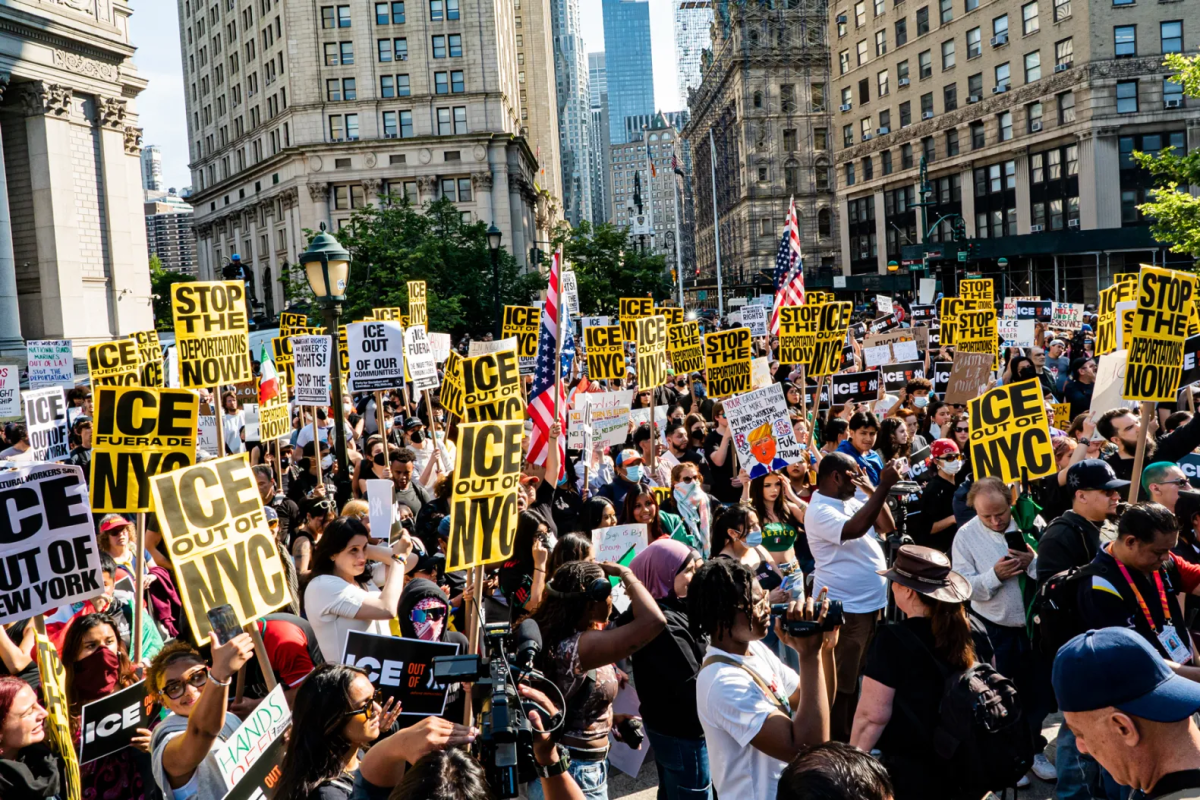


The New York City mayoral election results are in, with the upstart candidate, Zohran Mamdani, winning over 50% of the popular vote. His campaign and his agenda for New York City includes changing child care costs, implementing free bus systems, and overall making the city affordable economically.
The Democratic Socialist mayor-elect plans to freeze prices for rent stabilized city apartments, raise the city’s corporate tax rate by from 7.25 percent to 11.5 percent, impose a new two percent flat tax on city residents who make over one million dollars, and much more. Furthermore, these policies could affect Hastings and suburban living with an influx of movement due to affordability issues.
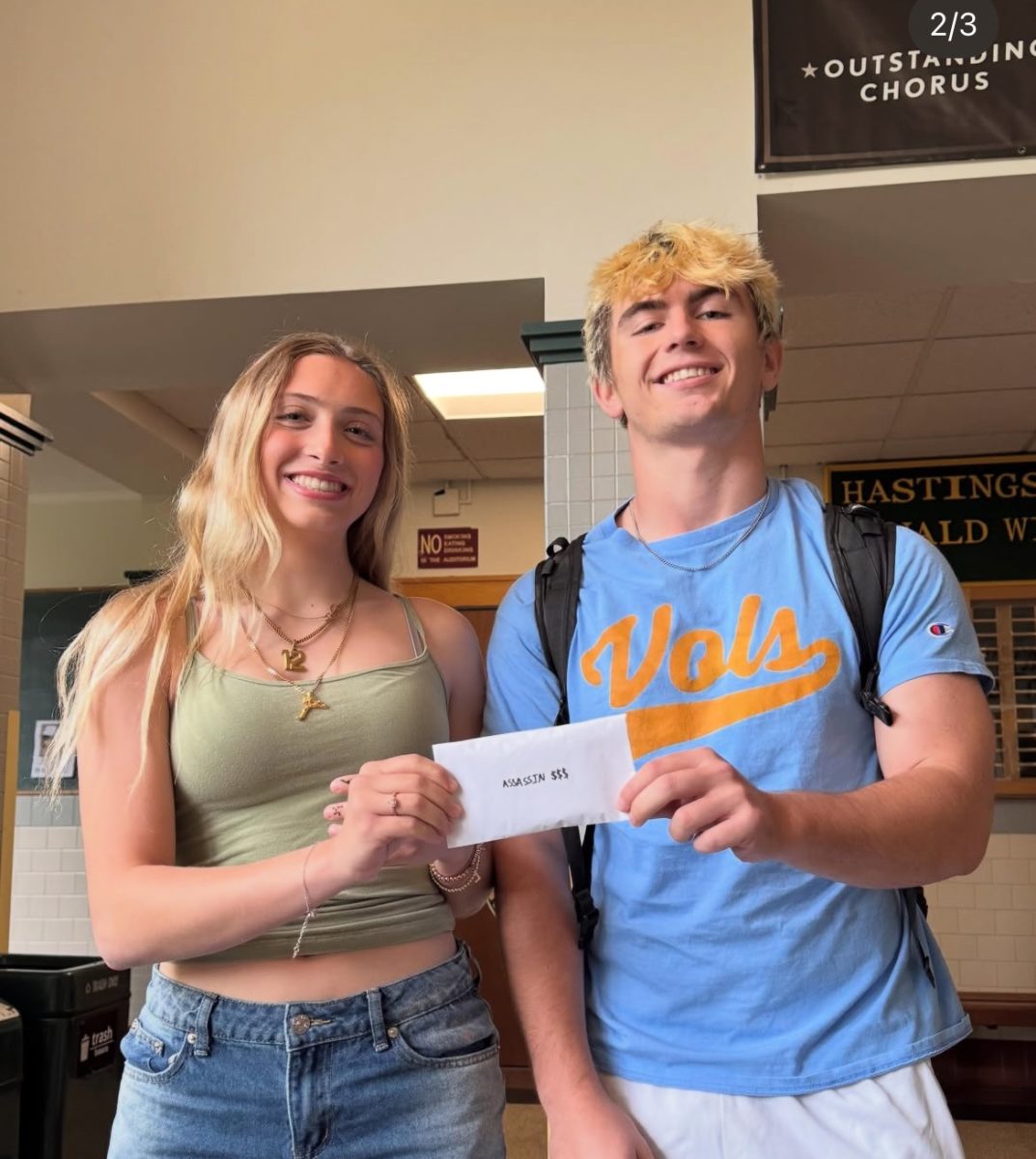
Lyra Kinderlerer, a senior at Hastings High School, commutes to school from New York City. She claims that long-term, “with the city so close by, [Mamadani’s policies] definitely [will have] an effect.” Kinderlerer believes that Hastings families undoubtedly have opinions on this election and Mamadani’s current policies although “it’s quite split on [some].”
Many Hastings residents commute to the city for work, with over 31,000 small businesses based in the NYC area that are owned by Westchester County residents. In recent months, the physical Metro card has been discounted by the MTA. According to CNN, “Mamdani made buses a centerpiece of his campaign, proposing to expand a pandemic-era pilot program and eliminate fares on all city buses,” which even affects people living outside NYC. Liam Belton, a Riverdale resident and senior at Hastings High School explains how he often “takes 20 [rides] on public transportation per week” to and from school and in general. In addition, he says he “would love free buses.” Belton ultimately believes that the changes to these public transportation systems would make it more efficient for not only NYC residents but also commuters from Hastings as well. He also believes that if Mamdani ultimately succeeds in his aspirations for the city, “it will create a spread up north,” and Mamdani’s success would exponentially influence “other New York democrats.” Assuming everything goes as expected within Mamdani’s term, Belton thinks there will be a “massive shift left in American Politics.”
Hastings is approximately 20 miles from midtown Manhattan, about a 40 minute train ride. Many people in Hastings commute to the city for work, and these policies will alter transportation for New Yorkers. For example, Hastings High School librarian Ms. Grassia offers her own stance, stating how New York City “[isn’t] a common destination for [her],” but she could definitely see how the “reforming [of] MTA vehicles [will make NYC] more efficient—for kids and parents alike.” New York City is a place of mass transportation, and with these differences, Hastings families could see a shift in how they get around the city during the work day.
Kinderlerer describes Hastings as being “skewed” when it comes to these new policies in New York. It may take time to see the results, but for Hastings residents who regularly commute in New York City, it may be a noticeable difference in the function of the bustling city in their everyday life.
Overall, time will tell how large and diverse these changes will be as they flow up north into the Hudson Valley, but commuters, families, and business owners should be aware of these differences and how the newly implemented policies can affect them.