








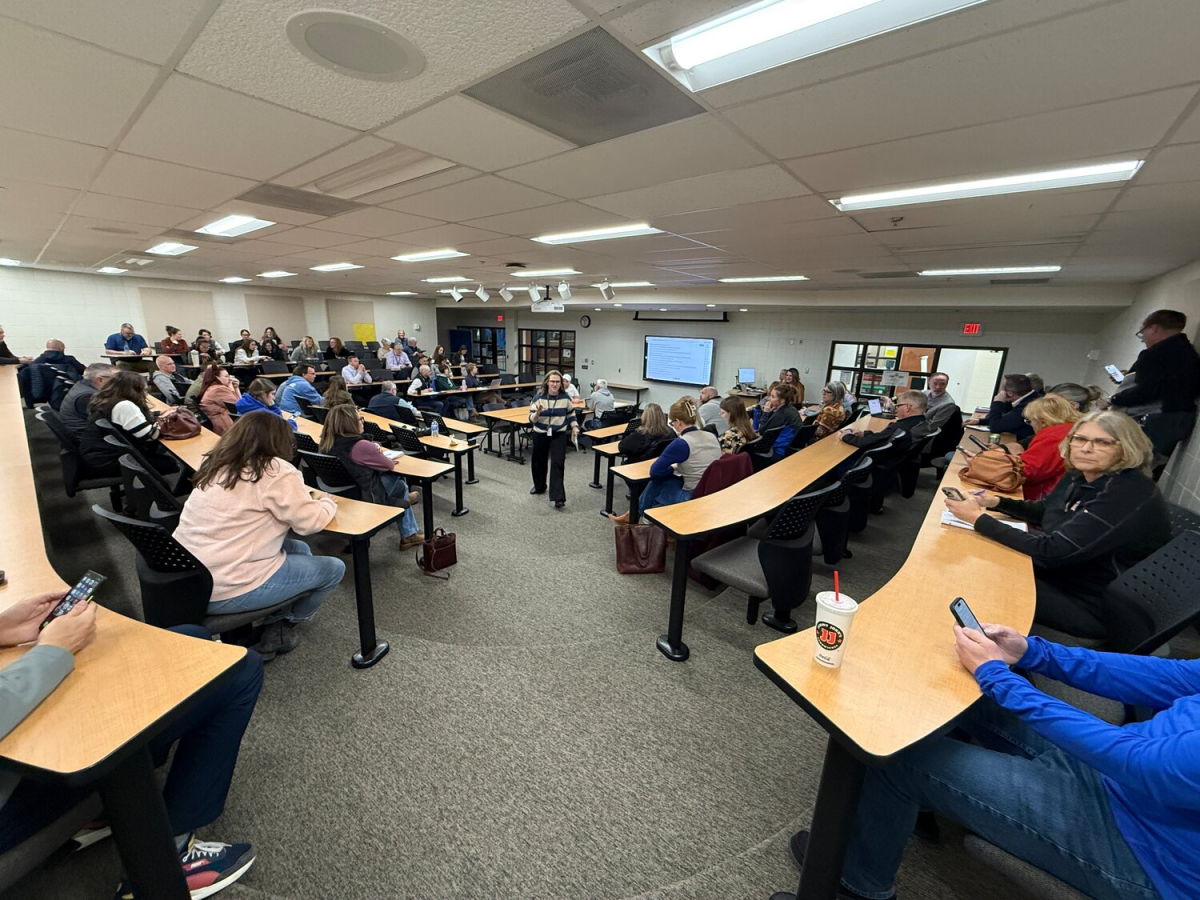
Hastings High School gives students the unique opportunity to bring their perspectives directly to district leadership through the role of Student Liaison. This position serves as a vital bridge between students and the Board of Education, which can be particularly useful when discussions involve sensitive and complex topics including student representation and hiring practices at Hastings High School.
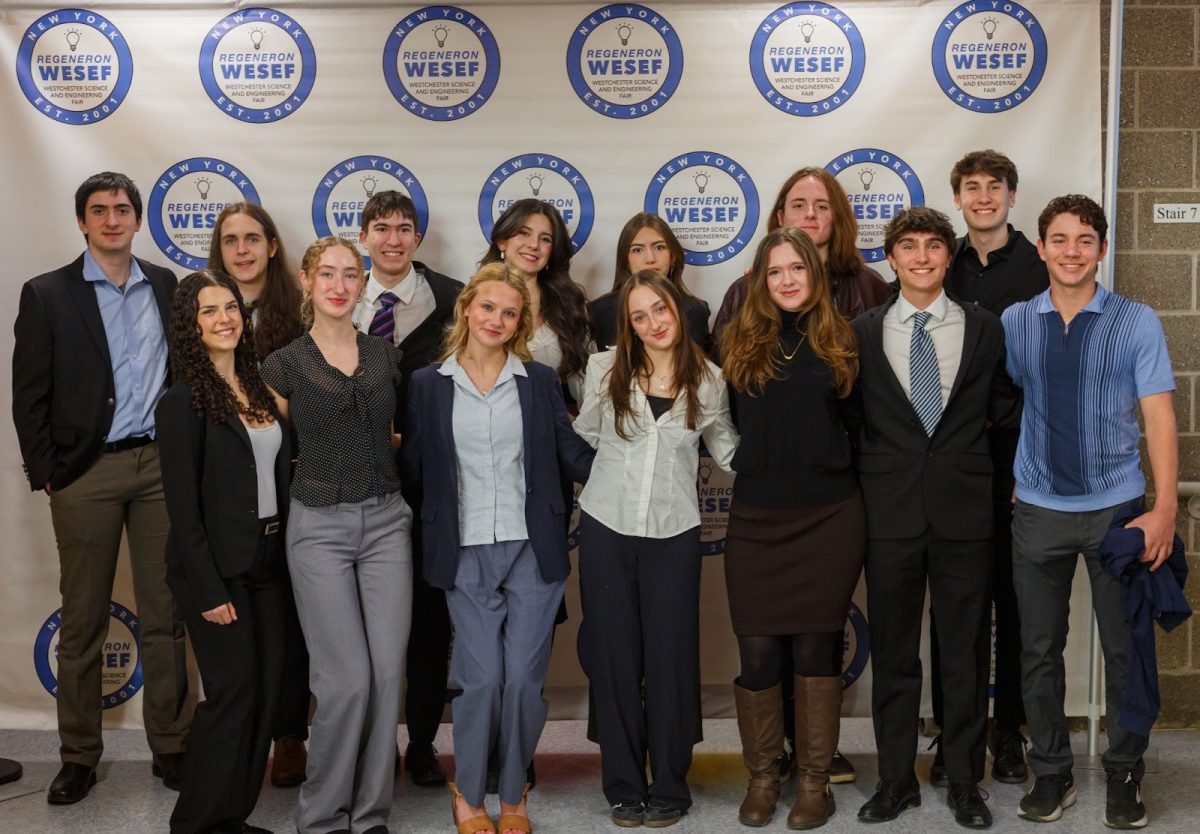
Ella Chiu, one of Hastings High School’s student liaisons, described her role as centered on communication and understanding: “The role of a student liaison includes dissipating any gaps of understanding between the students and the Board of Ed,” Chiu explained. She noted that liaisons help ensure district leaders are aware of what is happening within the school community, including student emotions, concerns, and confusion. Liaisons work closely with district leaders, including assistant superintendent Dr. Syzmanski and Principal Clayman, to improve the school environment in ways that benefit all students.
According to Chiu, a significant aspect of being a Student Liaison is possessing the ability to listen. She explains that representing student voices requires consistent communication with peers and careful attention to their experiences, “certainly talking to many people and keeping an open ear.” Student Union meetings also play an important role, serving as spaces where concerns can be shared and later brought to administrators and the Board of Education. Joaquin Toledo-Chae, another student liaison, described his role as a “bridge between the student body, Student Union, and the Board.” He emphasized that his responsibility is not only to convey student perspectives to the Board, but also to observe how decisions affect academics, sports, music, and other aspects of student life. He explained that student liaisons actively follow up on issues raised during board meetings, ensuring that student concerns are addressed in meaningful ways. While student liaisons play an important role in communicating student concerns, their involvement in discussions about teacher hiring highlights the complexity of balancing student representation with the administration’s decision-making process, as the liaisons expressed how they can help share perspectives of the student body, but they are not directly involved in such choices.
One topic that has recently sparked ongoing discussion is racial and cultural diversity within school administration. Both Chiu and Toledo-Chae noted that diversity remains limited. Chiu explained that while administrators recognize the importance of representation, hiring decisions are controlled by legal and ethical guidelines that prevent schools from selecting candidates based on race or cultural identity. Toledo-Chae echoed this, highlighting that the “rigorous hiring process” focuses on qualifications and readiness to contribute to an accepting learning environment. He noted, however, that students have recently been active in conversations about teacher hiring, advocating for new hires who are prepared to work in a diverse environment.
Chiu and Toledo-Chae explained how the potential impact of increasing diversity in leadership is nuanced. Chiu suggested that more people of color in leadership positions could encourage teachers of color to remain in the district, even if it does not directly change who is hired. Toledo-Chae added that while leadership diversity might influence who applies for positions or hears about openings, hiring decisions themselves should remain based on qualifications as opposed to race. Both student liaisons agreed that one of the school’s biggest challenges in increasing diversity is expanding the initial applicant pool while maintaining ethical hiring criteria.
These perspectives highlight the complexity of balancing representation, legal requirements, and school culture. While hiring practices must follow strict ethical standards, student voices continue to play an important role in shaping discussions about inclusion and belonging. Ella and Joaquin have voiced such ideas about increasing administrative diversity at the Board of Education meetings, which occur around twice a month. Through this advocacy, student liaisons help ensure that these conversations remain informed by the experiences and concerns of the students they represent. As Hastings continues to reflect on diversity within its leadership and teaching staff, the role of student liaisons remains essential, as they ultimately help the school navigate these more challenging and complex issues.